Luxesur National Guide
Storm DamageTornado Damage Guide: What to Do After a Tornado
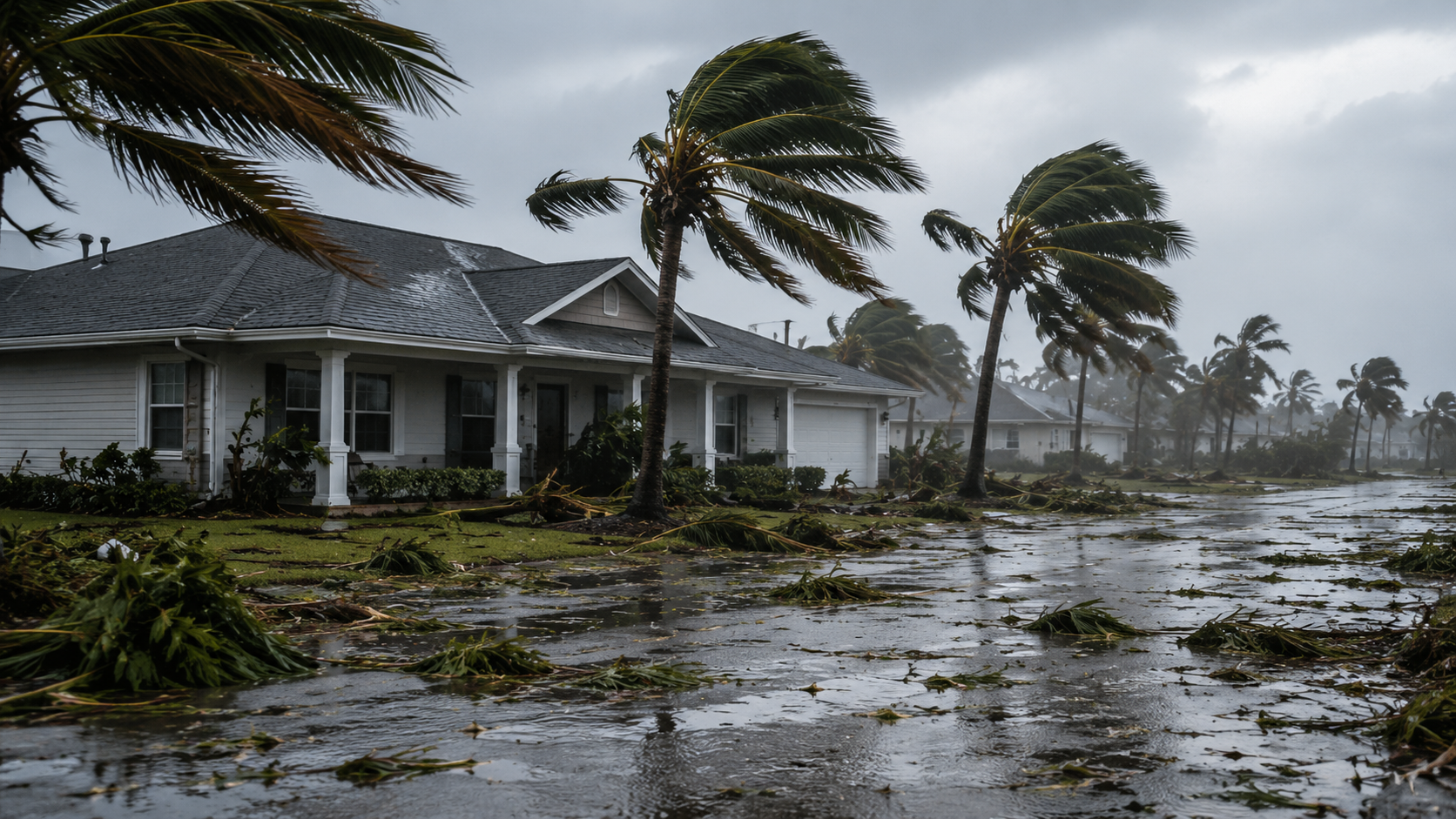
Tornadoes can cause extreme structural damage within seconds, including roof failure, collapsed walls, broken windows, fallen trees, utility damage, water intrusion, and dangerous debris. This guide explains how to stay safe, evaluate damage cautiously, prevent additional loss, document the property, and begin recovery.
First actions
Prioritize safety before inspection or cleanup
- Stay away from downed power lines, unstable trees, and structurally damaged areas.
- Do not climb onto a wet, punctured, steep, or displaced roof.
- Document the damage from a safe location before permanent repairs begin.
- Use reasonable temporary protection to limit further rain or water entry when safe.
- Call 911 for fire, a suspected gas leak, an electrical hazard, or an immediate threat to life.
Post-Storm Help
Need help after storm damage?
Review the next steps and find available resources to protect the property, limit secondary damage, and begin recovery.
How Tornadoes Damage Properties
Tornadoes can damage roofs, walls, windows, doors, garages, utilities, vehicles, and nearby structures. Hidden damage may remain in framing, roof connections, walls, and foundations.
Immediate Safety
- Follow emergency instructions.
- Avoid power lines and damaged utilities.
- Do not enter unstable buildings.
- Leave if you smell gas.
- Avoid glass, nails, metal, and unstable debris.
- Wear protective equipment.
Common Tornado Damage
- Roof failure.
- Structural movement.
- Windborne debris impact.
- Tree damage.
- Water intrusion.
- Electrical and utility damage.
First 24 Hours
- Address injuries.
- Wait for safe entry.
- Document damage.
- Report the insurance claim.
- Arrange temporary protection.
- Control water intrusion.
- Save receipts and records.
Temporary Protection
Emergency roof covering, board-up, restricted access, and structural stabilization may reduce additional loss. Do not attempt work around unstable structures, power lines, gas hazards, or damaged trees.
See the Emergency Roof Damage Guide.
Insurance and Documentation
Photograph all damage, create an inventory, retain receipts, and document temporary work. Coverage varies by policy.
Review the Storm Damage Insurance Claims Guide.
Related Guides
Frequently Asked Questions
When can I enter?
Only after structural, electrical, gas, and debris hazards have been evaluated.
Should I remove debris?
Do not move heavy, structural, electrical, or unstable debris without qualified help.
Can rain cause more damage?
Yes. Open roofs and walls can allow significant water intrusion.
Act Safely
Do not wait while the property remains exposed.
Roof openings, active water, unstable trees, and electrical hazards can worsen quickly. Prioritize safety and temporary protection.
Luxesur is an informational website and may connect visitors with independent third-party providers. We are not a restoration contractor, roofing contractor, engineering firm, insurance adjuster, or emergency service. Availability varies by location. Call 911 for an immediate danger.