Luxesur National Guide
Storm DamageHurricane Damage Guide: What to Do After a Hurricane
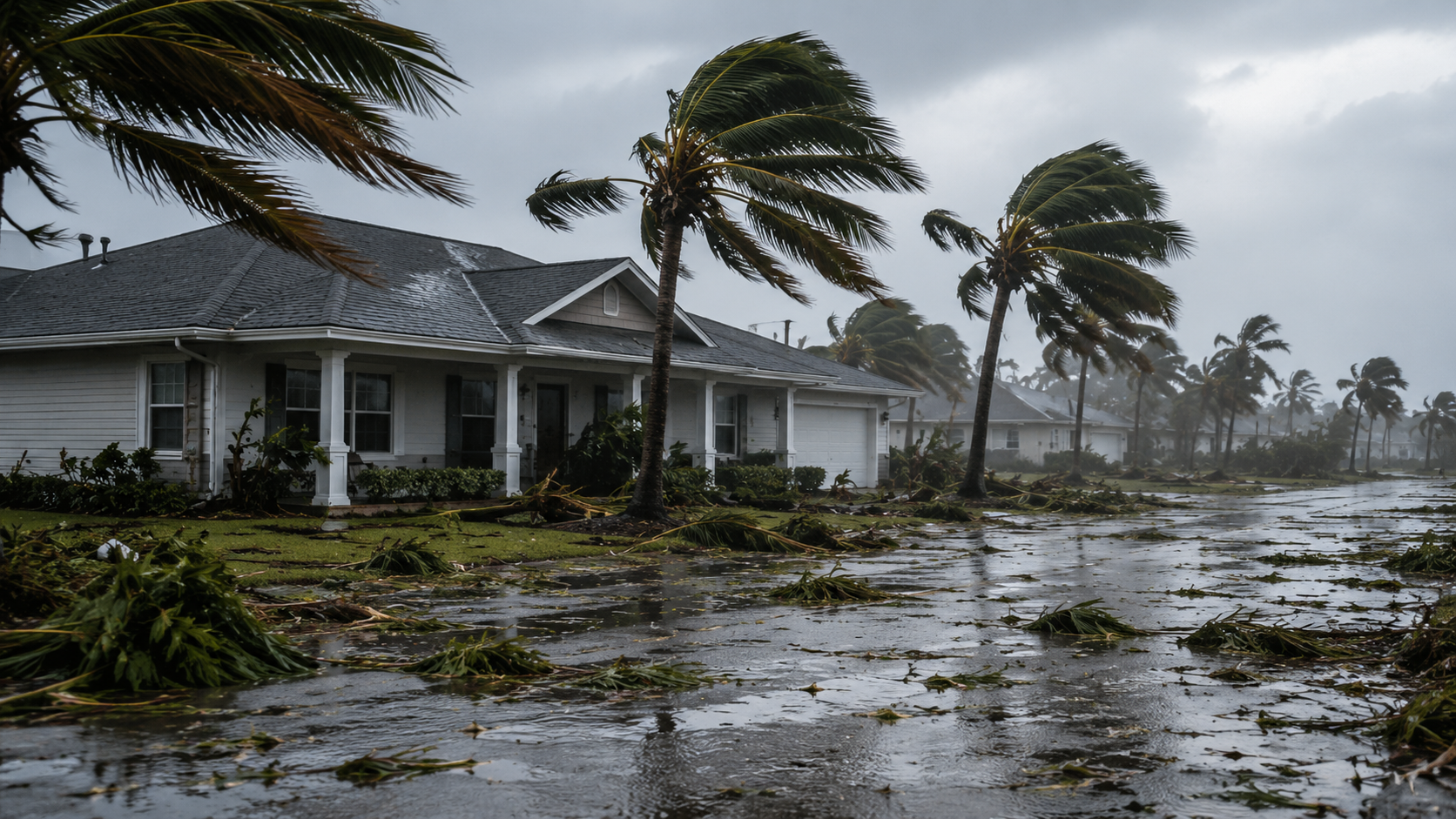
Hurricanes can combine destructive winds, prolonged rain, storm surge, flooding, falling trees, roof failure, electrical hazards, and widespread utility outages. This guide explains how to protect people, assess the property safely, prevent additional loss, document damage, and begin an organized recovery.
First actions
Prioritize safety before inspection or cleanup
- Stay away from downed power lines, unstable trees, and structurally damaged areas.
- Do not climb onto a wet, punctured, steep, or displaced roof.
- Document the damage from a safe location before permanent repairs begin.
- Use reasonable temporary protection to limit further rain or water entry when safe.
- Call 911 for fire, a suspected gas leak, an electrical hazard, or an immediate threat to life.
Post-Storm Help
Need help after storm damage?
Review the next steps and find available resources to protect the property, limit secondary damage, and begin recovery.
How Hurricanes Damage Homes and Buildings
Hurricane damage may result from several hazards occurring at the same time. High winds can remove roofing materials, damage siding, break windows, collapse garage doors, and drive rain through small exterior openings. Storm surge and inland flooding can introduce contaminated water into lower levels, while falling trees and windborne debris may damage structural components, utility lines, and mechanical equipment.
Damage is not always immediately visible. Water may enter beneath roof coverings, around flashing, through attic vents, behind exterior cladding, or around windows and doors. Moisture can remain hidden in insulation, wall cavities, flooring systems, cabinets, and crawl spaces after surface water is removed.
Remain Safe Before Returning to the Property
- Wait for official permission to return.
- Stay away from downed power lines.
- Do not enter floodwater.
- Leave immediately if you smell gas.
- Avoid buildings showing collapse or structural movement.
- Use protective clothing, gloves, footwear, and eye protection.
Call 911 for fire, medical emergencies, gas leaks, electrical hazards, or immediate threats to life.
Inspect the Property From a Safe Location
- Missing or displaced roofing materials.
- Damaged flashing, vents, gutters, soffits, and fascia.
- Tree impact or roof punctures.
- Broken windows, doors, and garage doors.
- Exposed exterior sheathing.
- Foundation movement or leaning walls.
- Floodwater lines, mud, and debris.
- Damaged electrical and HVAC equipment.
Common Types of Hurricane Damage
Roof and Attic Damage
Wind can lift roof materials and allow rain into decking, insulation, ceilings, electrical fixtures, and wall cavities.
Storm Surge and Flood Damage
Floodwater may contain saltwater, sewage, fuel, chemicals, sediment, and debris. Contaminated porous materials may require specialized removal.
Wind-Driven Rain
Rain can enter around windows, doors, vents, flashing, and exterior penetrations without obvious roof failure.
Tree and Debris Impact
Trees and debris can puncture roofs, damage framing, and affect utility lines.
Structural Damage
Extreme winds can shift walls, damage trusses, and separate roof assemblies.
Electrical and Equipment Damage
Water, lightning, and power surges may damage wiring, panels, appliances, HVAC systems, and generators.
What to Do During the First 24 Hours
- Confirm that everyone is safe.
- Follow reentry instructions.
- Photograph and record damage.
- Report the loss to the insurer.
- Arrange temporary protection.
- Begin water removal when safe.
- Separate damaged contents.
- Keep receipts and a written log.
Emergency Roof Protection
Temporary covering may reduce additional rain entry, but damaged roofs can be unstable. Do not climb onto a wet or damaged roof.
Review the Emergency Roof Damage Guide.
Water Removal and Structural Drying
Standing water and saturated materials should be addressed once the building is safe. Drying may require extraction, removal of unsalvageable materials, moisture measurement, air movement, dehumidification, and monitoring.
Documenting Hurricane Damage
- Photograph every exterior side and affected room.
- Record water lines and damaged contents.
- Create a room-by-room inventory.
- Keep receipts, estimates, reports, and correspondence.
- Maintain a claim and contractor communication log.
Insurance Considerations
Coverage may differ for wind, wind-driven rain, falling objects, flooding, storm surge, and sewer backup. Named-storm or hurricane deductibles may apply. Flood losses may require separate flood insurance.
See the Storm Damage Insurance Claims Guide.
When to Call Professionals
- The roof is open, leaking, or unstable.
- Floodwater entered the building.
- Water affected concealed materials.
- A tree struck the structure.
- Electrical equipment was exposed to water.
- Structural movement is visible.
- Contamination or hidden moisture is suspected.
Related Storm Damage Guides
Frequently Asked Questions
When is it safe to return after a hurricane?
Return only after officials allow reentry and avoid flooding, power lines, gas leaks, and unstable structures.
Should I tarp my own roof?
Do not climb onto a wet, steep, or damaged roof. Qualified professionals should handle unsafe roof access.
What if water entered my home?
Avoid electrical and contamination hazards, document the loss, and arrange safe extraction and drying.
Does homeowners insurance cover storm surge?
Storm surge and flooding are often treated differently from wind damage and may require separate coverage.
Can hurricane damage remain hidden?
Yes. Moisture, roof openings, electrical damage, and structural movement may not be immediately visible.
Act Safely
Do not wait while the property remains exposed.
Roof openings, active water, unstable trees, and electrical hazards can worsen quickly. Prioritize safety and temporary protection.
Luxesur is an informational website and may connect visitors with independent third-party providers. We are not a restoration contractor, roofing contractor, engineering firm, insurance adjuster, or emergency service. Availability varies by location. Call 911 for an immediate danger.