Luxesur National Guide
Storm DamageStorm Damage Guide: What to Do After Severe Weather
Severe weather can damage roofs, windows, siding, electrical systems, trees, and building interiors within minutes. This homeowner guide explains how to protect people first, prevent additional property damage, document the loss, and begin an organized recovery after a damaging storm.
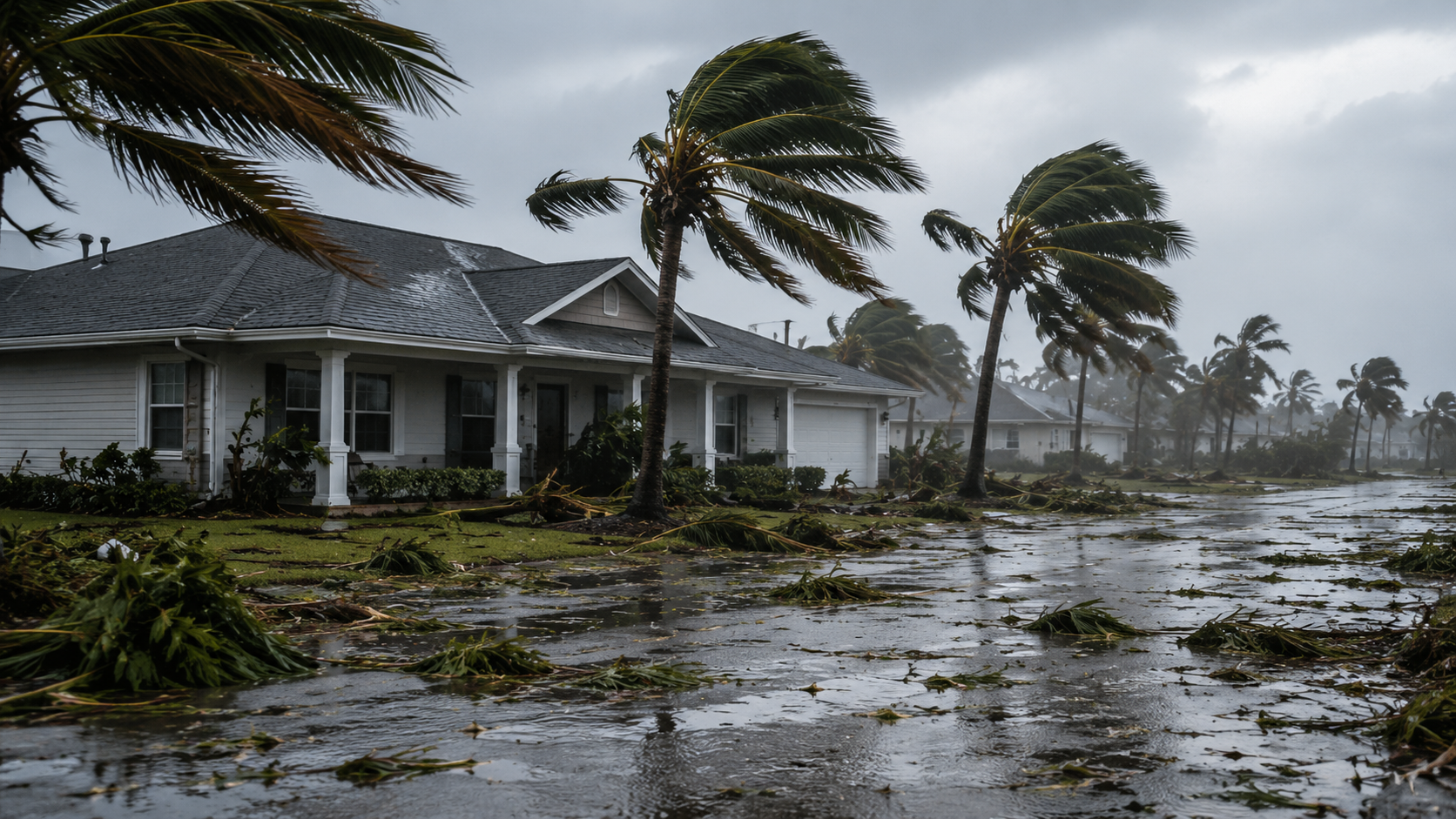
First actions
Prioritize safety before inspection or cleanup
- Stay away from downed power lines, unstable trees, and structurally damaged areas.
- Do not climb onto a wet, punctured, steep, or displaced roof.
- Document the damage from a safe location before permanent repairs begin.
- Use reasonable temporary protection to limit further rain or water entry when safe.
- Call 911 for fire, a suspected gas leak, an electrical hazard, or an immediate threat to life.
Post-Storm Help
Need help after storm damage?
Review the next steps and find available resources to protect the property, limit secondary damage, and begin recovery.
What Is Storm Damage?
Storm damage is property damage caused by severe weather such as hurricanes, tropical storms, tornadoes, hail, straight-line winds, flooding, lightning, and falling trees. Damage may be obvious, such as a collapsed roof or broken window, or hidden behind roofing materials, walls, ceilings, flooring, and insulation.
Even when a home appears structurally intact from the street, wind-driven rain, displaced shingles, damaged flashing, roof punctures, and small exterior openings can allow water into the building. Early inspection and temporary protection can help limit secondary water damage, mold growth, and deterioration of building materials.
Immediate Safety Steps After a Storm
Personal safety should come before cleanup, photography, or property protection. Conditions may remain dangerous after the weather has passed.
- Wait for official clearance. Do not enter an evacuated neighborhood or damaged building until local authorities say it is reasonably safe.
- Watch for electrical hazards. Stay away from downed power lines, standing water near electrical equipment, damaged service panels, and exposed wiring.
- Check for structural instability. Leave the property if walls are leaning, floors are sagging, ceilings are collapsing, or the roof structure appears unstable.
- Avoid floodwater. Stormwater may contain sewage, chemicals, sharp debris, wildlife, and energized electrical sources.
- Check for gas odors. Leave immediately and contact the appropriate emergency service or utility provider if you smell gas or hear a hissing sound.
- Use protective equipment. Wear sturdy footwear, gloves, long sleeves, eye protection, and an appropriate mask when entering damaged areas.
Call 911 for fire, medical emergencies, active electrical hazards, suspected gas leaks, or immediate threats to life.
Common Types of Storm Damage
Roof Damage
Strong winds, hail, falling branches, and windborne debris can remove shingles, damage flashing, puncture roof coverings, loosen metal panels, and expose roof decking. Roof damage may cause active leaks or slow moisture intrusion that is not immediately visible.
Water Intrusion and Flooding
Wind-driven rain can enter around roofs, windows, doors, vents, and exterior penetrations. Flash flooding, storm surge, overflowing drainage systems, and groundwater can affect floors, walls, cabinets, insulation, contents, and mechanical systems.
Broken Windows and Exterior Openings
Broken glass, damaged doors, failed garage doors, and displaced exterior materials can expose the interior to rain, wind, animals, and unauthorized entry.
Tree and Debris Impact
Falling trees and large branches can damage roofs, exterior walls, utility lines, vehicles, fences, and detached structures. Do not attempt to remove a tree that is touching a building or power line without qualified assistance.
Structural Damage
Tornadoes, hurricanes, and extreme winds can shift framing, damage load-bearing components, separate roof assemblies, and compromise foundations. Visible cracks, leaning walls, uneven floors, and unusual movement should be treated seriously.
Hail Damage
Large hail can bruise or fracture roofing materials, dent metal components, crack siding, damage skylights, and break windows. Some hail damage is subtle and may require a closer roof and exterior inspection.
Electrical and Mechanical Damage
Lightning, flooding, power surges, and wind damage may affect wiring, service equipment, appliances, HVAC systems, generators, and other mechanical components. Damaged equipment should be inspected before use.
What to Do During the First 24 Hours
- Confirm that the property is safe to enter.
- Photograph and record the damage before moving items.
- Contact your insurance carrier or agent.
- Prevent additional damage when it can be done safely.
- Save receipts and maintain a written event log.
- Request professional inspection when damage may be hidden, extensive, or hazardous.
Do not make permanent repairs before the property has been documented and the insurance process has been considered. Emergency measures may still be necessary to prevent additional loss.
How to Prevent Additional Property Damage
Property owners are commonly expected to take reasonable steps to limit additional damage after a covered event, but only when those steps can be completed safely.
- Cover a damaged roof or exterior opening with a properly secured temporary barrier.
- Move undamaged contents away from active leaks when safe.
- Place containers beneath minor drips without entering unstable areas.
- Shut off the water supply when a damaged plumbing line is contributing to the loss.
- Keep people away from unstable ceilings, broken glass, and damaged structural areas.
- Arrange water extraction and structural drying when stormwater has entered the building.
- Board or secure damaged windows and doors when appropriate.
Emergency roof tarping, board-up work, tree removal, electrical repairs, and structural stabilization may require trained contractors. Do not climb onto a wet, steep, damaged, or unstable roof.
Review the Emergency Roof Damage Guide for roof-specific emergency steps.
How to Document Storm Damage
Thorough documentation helps establish the condition of the property and creates a record for insurance discussions, estimates, inspections, and repairs.
- Take wide photographs showing each affected room or exterior elevation.
- Take close photographs of individual damaged materials and contents.
- Record video walkthroughs when conditions are safe.
- Photograph roof debris, fallen trees, water lines, hail size, and exterior impact marks.
- Write down the date and approximate time the damage occurred or was discovered.
- Create a list of damaged personal property.
- Save damaged materials when practical and permitted until they are documented.
- Keep invoices, estimates, hotel receipts, material receipts, and emergency-service records.
- Record the names, companies, dates, and subjects of important conversations.
Do not put yourself at risk to obtain photographs. A professional inspection can document inaccessible or hazardous areas.
Storm Damage and Insurance Claims
Insurance coverage depends on the policy, cause of loss, exclusions, endorsements, deductibles, maintenance history, and local requirements. Wind, hail, falling objects, water intrusion, and flooding may be treated differently under the same policy.
When reporting a loss, provide accurate facts without speculating about damage that has not yet been inspected. Ask for the claim number, the assigned representative's contact information, instructions for emergency repairs, and the documentation the insurer needs.
Keep copies of all written communications and request explanations in writing when possible. Flood damage may require a separate flood insurance policy rather than a standard homeowners policy.
Review the Storm Damage Insurance Claims Guide for a more detailed documentation and claims workflow.
When to Request Professional Storm Damage Help
Professional assistance may be appropriate when:
- The roof is leaking, punctured, partially missing, or structurally unstable.
- Water has entered walls, ceilings, flooring, insulation, cabinets, or crawl spaces.
- Standing water or contaminated floodwater is present.
- A tree or large branch has struck the building.
- Windows, doors, or exterior openings cannot be secured.
- Electrical components, appliances, or mechanical systems were exposed to water.
- Structural movement, cracks, sagging, or partial collapse is visible.
- Wet materials cannot be safely removed or dried.
- The full extent of the damage is unclear.
Depending on the loss, recovery may involve emergency restoration professionals, roofers, arborists, electricians, plumbers, structural engineers, general contractors, environmental specialists, or other qualified providers.
Guides for Specific Storm Damage Events
Frequently Asked Questions
What should I do first after storm damage?
Confirm that everyone is safe, avoid electrical and structural hazards, follow local emergency instructions, and document the damage when it is safe to do so. Take reasonable temporary steps to prevent additional damage without entering dangerous areas.
Should I call my insurance company before making repairs?
Report the loss promptly and ask for instructions. Emergency measures may be necessary before an adjuster arrives, but document the damage and temporary work carefully and avoid unnecessary permanent repairs until the claim process is understood.
Can I inspect my own roof after a storm?
A ground-level visual inspection may identify missing materials or debris, but walking on a wet or damaged roof is dangerous. A qualified roof professional should inspect areas that cannot be evaluated safely from the ground.
How quickly can mold begin after stormwater enters a home?
Mold growth can begin when building materials remain wet, so water removal and drying should begin as soon as conditions permit. The actual timing depends on temperature, humidity, materials, contamination, and airflow.
Does homeowners insurance cover all storm damage?
No. Coverage varies by policy and cause of loss. Wind or hail may be covered differently from flooding, storm surge, groundwater, or maintenance-related damage. Review the policy and discuss the specific event with the insurer.
What records should I keep after a storm?
Keep photographs, videos, inventories, estimates, invoices, receipts, claim correspondence, inspection reports, temporary-repair records, and a written log of important conversations and decisions.
When is storm damage an emergency?
Storm damage is an emergency when people are at risk, the structure is unstable, water is actively entering, electrical or gas hazards exist, contaminated water is present, or openings expose the property to continued damage.
Act Safely
Do not wait while the property remains exposed.
Roof openings, active water, unstable trees, and electrical hazards can worsen quickly. Prioritize safety and temporary protection.
Luxesur is an informational website and may connect visitors with independent third-party providers. We are not a restoration contractor, roofing contractor, engineering firm, insurance adjuster, or emergency service. Availability varies by location. Call 911 for an immediate danger.