Luxesur National Guide
Storm DamageStorm Damage Insurance Claims Guide: How to Document and Manage a Claim
A storm damage insurance claim can involve emergency repairs, photographs, estimates, adjuster inspections, deductibles, depreciation, temporary housing, and disputes about the cause or scope of damage. This guide explains how to organize the process, preserve evidence, reduce avoidable delays, and prepare for each stage of a property damage claim.
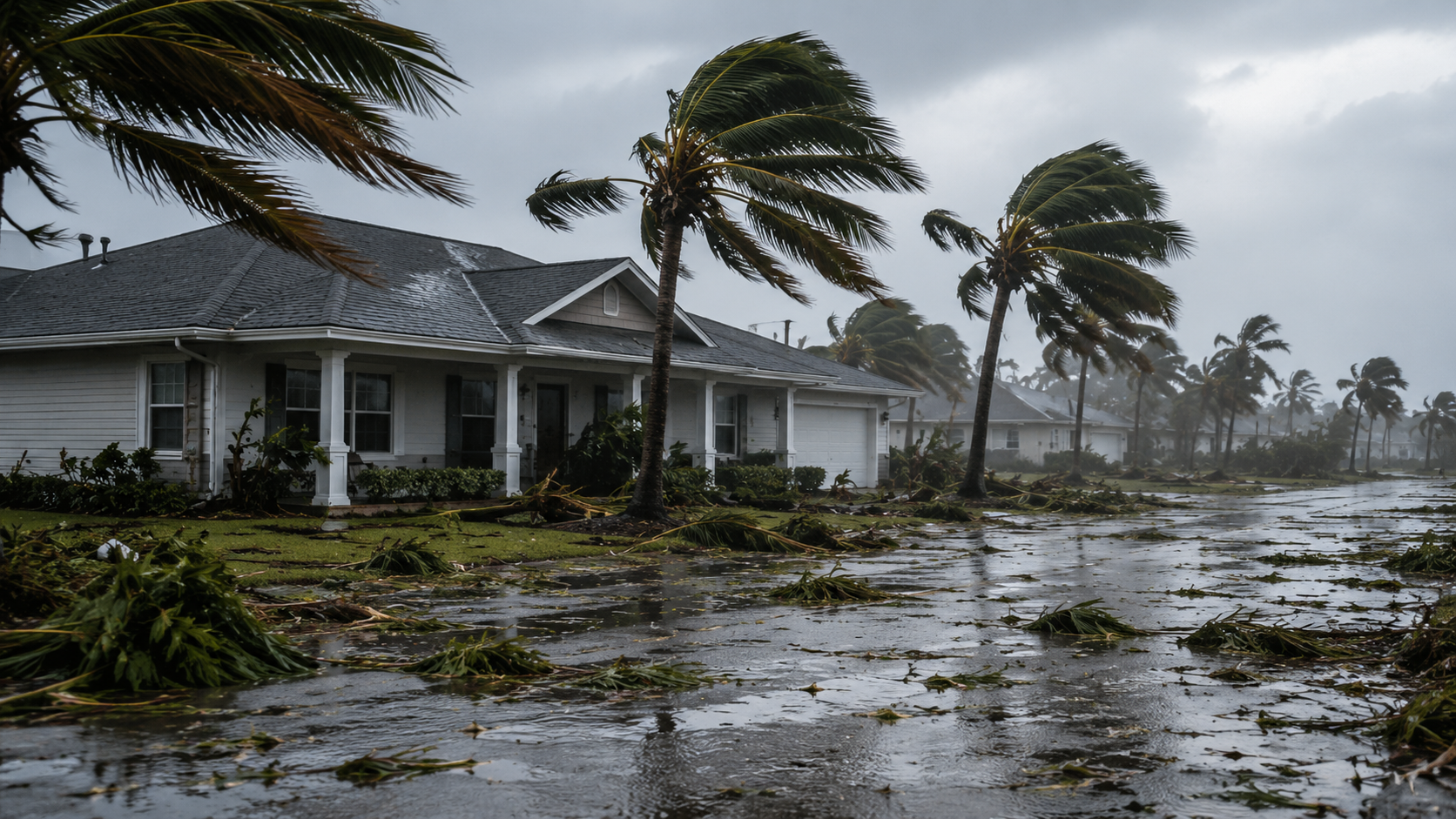
First actions
Prioritize safety before inspection or cleanup
- Stay away from downed power lines, unstable trees, and structurally damaged areas.
- Do not climb onto a wet, punctured, steep, or displaced roof.
- Document the damage from a safe location before permanent repairs begin.
- Use reasonable temporary protection to limit further rain or water entry when safe.
- Call 911 for fire, a suspected gas leak, an electrical hazard, or an immediate threat to life.
Post-Storm Help
Need help after storm damage?
Review the next steps and find available resources to protect the property, limit secondary damage, and begin recovery.
Start With Safety and Emergency Protection
Insurance documentation is important, but personal safety comes first. Do not enter a property with suspected structural collapse, electrical hazards, gas leaks, active fire, contaminated floodwater, or unstable trees and debris.
Call 911 for immediate threats to life, fire, suspected gas leaks, active electrical hazards, or serious structural instability.
After immediate hazards are controlled, take reasonable steps to prevent additional damage when it can be done safely. Depending on the loss, emergency protection may include:
- Temporary roof covering.
- Boarding broken windows and doors.
- Water extraction and structural drying.
- Temporary structural stabilization.
- Moving undamaged contents away from affected areas.
- Shutting off a damaged water supply.
- Restricting access to unsafe areas.
Document the property before and after emergency work whenever possible. Do not delay urgent measures solely to wait for an insurance inspection.
Understand What Caused the Damage
Insurance coverage often depends on the specific cause of loss rather than the general fact that a storm occurred. A single event may involve several causes that are handled differently under a policy.
Possible storm-related causes include:
- Wind.
- Wind-driven rain.
- Hail.
- Falling trees or branches.
- Flying debris.
- Lightning.
- Fire.
- Roof openings.
- Surface flooding.
- Storm surge.
- Sewer or drain backup.
- Groundwater intrusion.
- Power surge.
- Freeze-related pipe damage.
Do not guess about the cause when it has not been professionally evaluated. Describe what you observed, when you observed it, and what parts of the property were affected.
Report the Claim Promptly
Contact the insurer or authorized claims representative after the property is safe and the initial condition has been documented. Provide accurate information without overstating the damage or making conclusions that have not been verified.
Request and record:
- The claim number.
- The date and time the claim was reported.
- The assigned adjuster or representative.
- Direct contact information.
- Instructions for emergency mitigation.
- Instructions for submitting photographs, videos, inventories, estimates, and invoices.
- Information about applicable deductibles.
- Instructions concerning damaged materials and disposal.
- Information about temporary housing or additional living expenses.
- Expected inspection and communication timelines.
Keep a written record of every conversation, including the date, time, person, telephone number, and summary of what was discussed.
Storm Damage Photo Checklist
Take both wide photographs that show overall context and close photographs that show specific damage. Do not place yourself in danger to obtain a photograph.
Exterior Photographs
- Every exterior side of the building.
- Roof surfaces from safe ground-level positions.
- Missing or displaced roofing materials.
- Damaged flashing, vents, gutters, soffits, fascia, and roof edges.
- Broken windows, doors, skylights, and garage doors.
- Damaged siding, trim, exterior panels, and paint.
- Tree and debris impact.
- Fences, sheds, detached structures, and exterior equipment.
- HVAC units, solar panels, electrical service, and generators.
- Floodwater lines, mud, sediment, and debris.
Interior Photographs
- Each affected room from the doorway and multiple angles.
- Ceiling leaks, stains, cracks, bulging, and collapse.
- Wet insulation, drywall, plaster, and wall cavities.
- Damaged flooring, subflooring, cabinets, and built-ins.
- Water around electrical fixtures and appliances.
- Damaged furniture, electronics, clothing, and personal property.
- Visible mold-like growth or deterioration when present.
- Water lines and contamination indicators.
Event Evidence
- Hailstones with a ruler, coin, or familiar object for scale.
- Fallen branches, trees, and storm debris.
- Weather warnings and emergency alerts.
- Local flooding or storm conditions when safely visible.
- Date and time information associated with photographs when available.
Storm Damage Video Checklist
Video can help show how damaged areas connect and may capture active conditions that are difficult to communicate through still photographs.
- Begin with a slow exterior walkaround from a safe distance.
- Identify the address or property location verbally.
- State the date and approximate time.
- Record each affected room in an organized sequence.
- Show active leaks, water movement, and visible openings.
- Record damaged contents before they are moved.
- Show temporary repairs before and after installation.
- Avoid fast movement, excessive zooming, and unclear narration.
- Do not enter unsafe areas merely to obtain footage.
Create a Room-by-Room Property Inventory
A property inventory should identify damaged contents and provide enough information to understand what each item was, where it was located, and its condition after the storm.
For each item, record:
- Room or location.
- Item description.
- Brand and model when known.
- Serial number when available.
- Approximate purchase date.
- Approximate original cost.
- Quantity.
- Observed damage.
- Whether the item may be repairable.
- Photograph or video reference.
- Receipt, statement, or other ownership record when available.
Do not dispose of damaged items before documenting them unless they present a health, safety, or contamination hazard. Ask the insurer how hazardous or unsalvageable materials should be handled.
Keep Every Receipt and Invoice
Storm recovery can create many expenses. Keep originals or digital copies and organize them by category.
- Emergency roof tarping.
- Board-up services.
- Water extraction and drying.
- Tree removal.
- Temporary structural stabilization.
- Generators, pumps, fans, and emergency materials.
- Temporary lodging.
- Meals beyond ordinary household costs.
- Laundry and essential personal items.
- Transportation and mileage.
- Storage and moving.
- Pet boarding.
- Professional inspections.
- Repair estimates.
- Permit and engineering expenses.
Not every expense is necessarily reimbursable. Documentation allows the insurer to evaluate each item under the applicable policy provisions.
Temporary Repairs and the Duty to Prevent Additional Damage
Policies commonly expect property owners to take reasonable measures to protect the property after a covered loss. The exact obligation depends on the policy and circumstances.
Reasonable emergency measures may include:
- Covering a damaged roof.
- Boarding broken openings.
- Removing standing water.
- Beginning structural drying.
- Moving contents away from water.
- Shutting off damaged utilities when safe.
- Restricting access to unsafe areas.
Document why the work was necessary, the condition before work, the contractor or provider, the work performed, and the cost.
Temporary repairs should not erase evidence unnecessarily. Retain damaged materials or detailed photographs when practical and safe.
Preparing for the Insurance Adjuster Inspection
Organize the information so the adjuster can understand the full loss efficiently.
Prepare:
- A written summary of what occurred.
- A timeline of the event and emergency response.
- Photographs and videos organized by location.
- A room-by-room inventory.
- Emergency-service invoices.
- Contractor estimates.
- Inspection reports.
- Moisture readings and drying records.
- Receipts for temporary living expenses.
- Questions about coverage, deductibles, and next steps.
Walk through the property in an organized order. Point out hidden or less obvious areas such as attics, crawl spaces, wall cavities, closets, and mechanical rooms when they can be accessed safely.
Questions to Ask the Adjuster
- What portions of the loss are currently being evaluated?
- Are additional inspections required?
- What documentation is still needed?
- Which deductible applies?
- Is depreciation being applied?
- What is required to recover withheld depreciation, if applicable?
- Are temporary repairs included in the estimate?
- How are building-code upgrades handled?
- How are matching materials handled?
- Is additional living expense coverage available?
- How should supplemental damage be submitted?
- What deadlines apply to documents, repairs, or claim actions?
Deductibles Explained
A deductible is the portion of a covered loss assigned to the policyholder before insurance payment is calculated. The applicable deductible may be a fixed dollar amount or a percentage, depending on the policy and type of event.
Standard Deductible
A standard deductible may apply to many ordinary covered property claims.
Wind or Hail Deductible
Some policies use a separate deductible for wind or hail losses.
Hurricane or Named-Storm Deductible
Some policies and jurisdictions may apply a special deductible when defined hurricane or named-storm conditions are met.
Ask the insurer to identify the deductible provision being applied and request the explanation in writing when it is unclear.
Wind Damage Versus Flood Damage
Wind and flood are commonly evaluated differently. A storm may damage the roof with wind while also pushing surface water or storm surge into the property.
Examples of possible wind-related damage include:
- Missing roofing materials.
- Broken windows from debris.
- Rain entering through a storm-created opening.
- Tree impact.
- Damage to siding, gutters, and exterior components.
Examples of possible flood-related damage include:
- Surface water entering through doors or walls.
- Storm surge.
- Overflow from rivers, canals, or drainage systems.
- Water rising from the ground level.
The exact treatment depends on policy language, applicable coverage, the sequence of events, and factual evidence. Avoid altering or discarding evidence that may help establish how water entered.
Sewer Backup and Drain Overflow
Sewer or drain backup may be treated differently from surface flooding or direct rain intrusion. Some policies may require a specific endorsement or additional coverage.
Document:
- The point where water first appeared.
- Water color, odor, and visible contamination.
- Affected drains, toilets, fixtures, or floor openings.
- Municipal notices or neighborhood backup conditions.
- Plumber or restoration findings.
Avoid direct contact with potentially contaminated water and use qualified cleanup professionals where appropriate.
Replacement Cost and Actual Cash Value
Replacement Cost Value
Replacement cost generally refers to the estimated cost to repair or replace covered property with materials of similar kind and quality, subject to the policy.
Actual Cash Value
Actual cash value commonly reflects depreciation based on factors such as age, condition, and expected useful life.
Recoverable Depreciation
Some claims may initially withhold depreciation and allow eligible amounts to be recovered after repairs or replacement are completed and documented.
Ask the insurer to explain each estimate column, the depreciation calculation, and the requirements for recovering any withheld amount.
Additional Living Expenses
When a covered loss makes a residence unfit to occupy, the policy may provide coverage for certain increased living costs. This is often called Additional Living Expense, Loss of Use, or a similar term.
Potential expenses may include:
- Temporary lodging.
- Increased meal costs.
- Laundry.
- Storage.
- Moving expenses.
- Additional transportation.
- Pet boarding.
- Other necessary increases above normal household expenses.
Ask what expenses require advance approval, what limits apply, and how long the coverage may continue. Keep receipts and distinguish ordinary expenses from storm-related increases.
Contractor Estimates and Insurance Estimates
An insurance estimate and a contractor estimate may differ because they use different assumptions, measurements, material selections, labor rates, repair methods, or scopes.
A useful contractor estimate should clearly identify:
- Areas being repaired.
- Quantities and measurements.
- Materials and specifications.
- Labor and equipment.
- Demolition and disposal.
- Water mitigation and drying.
- Code-related work.
- Permits and inspections.
- Overhead and project coordination when applicable.
- Taxes and other required charges.
When the scopes differ, compare them line by line rather than looking only at the total price.
Building Codes and Ordinance or Law Coverage
Repairs may need to comply with current building codes even when the damaged property was built under older requirements. Code-related upgrades may create additional costs.
Examples may include:
- Roof decking requirements.
- Fastener and attachment standards.
- Underlayment changes.
- Electrical upgrades.
- Structural connections.
- Energy requirements.
- Permit and inspection requirements.
Coverage for code upgrades depends on the policy and may be limited or require specific ordinance or law coverage.
Matching Issues
Storm repairs may involve materials that are discontinued, unavailable, faded, weathered, or no longer compatible with current products. Matching issues may affect roofing, siding, flooring, tile, cabinets, paint, and other finishes.
Document:
- The existing material and manufacturer when known.
- Product labels, model numbers, and installation records.
- Differences between available replacement materials and the existing property.
- Contractor or supplier statements regarding availability.
- Photographs showing continuity across the affected area.
Policy language and local requirements may affect how matching is evaluated.
Supplemental Claims
Some damage may not be visible until demolition, drying, or repair begins. A supplemental claim or estimate may be appropriate when new storm-related damage is discovered or when the original scope omitted necessary work.
Document supplemental items with:
- Photographs and video.
- Contractor explanation.
- Measurements and quantities.
- Inspection reports.
- Moisture records.
- Updated estimates.
- Code or permit documentation.
Notify the insurer promptly and ask how supplemental documentation should be submitted.
Common Claim Mistakes to Avoid
- Entering unsafe areas to document damage.
- Waiting too long to report significant damage.
- Failing to prevent avoidable additional damage.
- Making permanent repairs before documenting the original condition.
- Discarding damaged materials without photographs.
- Submitting disorganized or incomplete documentation.
- Guessing about the cause of damage.
- Ignoring concealed moisture.
- Failing to keep receipts.
- Signing repair contracts that are unclear.
- Assuming the first estimate includes every affected area.
- Missing policy or claim deadlines.
- Relying only on verbal decisions without written confirmation.
If the Claim Payment Appears Incomplete
Begin by comparing the insurance estimate with photographs, contractor estimates, inspection reports, measurements, and the actual repair scope.
Identify specific differences such as:
- Missing rooms or elevations.
- Incorrect measurements.
- Omitted materials.
- Insufficient demolition or access work.
- Missing drying or remediation items.
- Code-required work.
- Permit expenses.
- Temporary repair costs.
- Damaged contents.
- Additional living expenses.
Submit a clear written request with supporting evidence and ask for a written response. Policyholders may also consider obtaining guidance from an appropriate licensed professional when a significant dispute cannot be resolved.
Keep a Complete Claim File
Create one physical or digital folder containing:
- The insurance policy and declarations.
- The claim number and contact list.
- Photographs and videos.
- Property inventories.
- Receipts and invoices.
- Contractor estimates.
- Insurance estimates.
- Adjuster reports.
- Engineering or specialist reports.
- Moisture and drying documentation.
- Permit and code records.
- Emails, letters, and call notes.
- Payment records.
- Deadlines and pending action items.
Related Storm Damage Guides
Frequently Asked Questions
How soon should I report storm damage?
Report significant damage promptly after immediate safety needs are addressed and the initial condition is documented.
Should I wait for the adjuster before making emergency repairs?
Do not delay reasonable emergency work needed to prevent additional damage. Photograph the condition before and after, keep damaged materials when practical, and retain invoices.
What should I photograph?
Photograph every affected exterior and interior area, damaged contents, water lines, debris, temporary repairs, and the circumstances showing how the loss occurred.
Should I throw away damaged belongings?
Document items before disposal whenever safe. Hazardous, contaminated, or unsanitary materials may need prompt removal, but retain photographs and an inventory.
What is recoverable depreciation?
It may be an amount withheld from an initial payment that can potentially be recovered after eligible repairs or replacement are completed and documented, subject to the policy.
Does homeowners insurance cover flooding?
Surface flooding and storm surge are commonly handled separately from standard homeowners coverage and may require flood insurance. Coverage depends on the policies in force.
What is a hurricane deductible?
It is a special deductible that may apply under certain policy definitions and storm conditions. It may be calculated differently from a standard deductible.
Can I obtain my own contractor estimate?
Yes. A detailed contractor estimate can help identify the actual repair scope, materials, quantities, permits, and code requirements.
What if hidden damage is found during repairs?
Photograph the condition, pause affected work when practical, notify the insurer, and submit supporting documentation through the supplemental claim process.
What if I disagree with the insurance estimate?
Compare the estimate line by line with the actual damage and contractor scope, then submit a written request supported by photographs, measurements, reports, and estimates.
Are temporary living expenses automatically covered?
No. Coverage depends on the policy, cause of loss, habitability, limits, and documentation. Ask the insurer before committing to significant expenses when possible.
Should all communications be in writing?
Important decisions, requests, and claim positions should be documented in writing. Keep notes of telephone conversations and follow up when confirmation is needed.
Important Insurance Disclaimer
This guide provides general educational information and is not legal, insurance, claims-adjusting, engineering, or financial advice. Insurance policies, laws, deadlines, licensing requirements, and claim procedures vary by policy and jurisdiction. Review the actual policy and consult appropriately qualified professionals regarding a specific loss.
Act Safely
Do not wait while the property remains exposed.
Roof openings, active water, unstable trees, and electrical hazards can worsen quickly. Prioritize safety and temporary protection.
Luxesur is an informational website and may connect visitors with independent third-party providers. We are not a restoration contractor, roofing contractor, engineering firm, insurance adjuster, or emergency service. Availability varies by location. Call 911 for an immediate danger.