Luxesur National Guide
Storm DamageEmergency Roof Damage Guide: What to Do When Your Roof Is Damaged
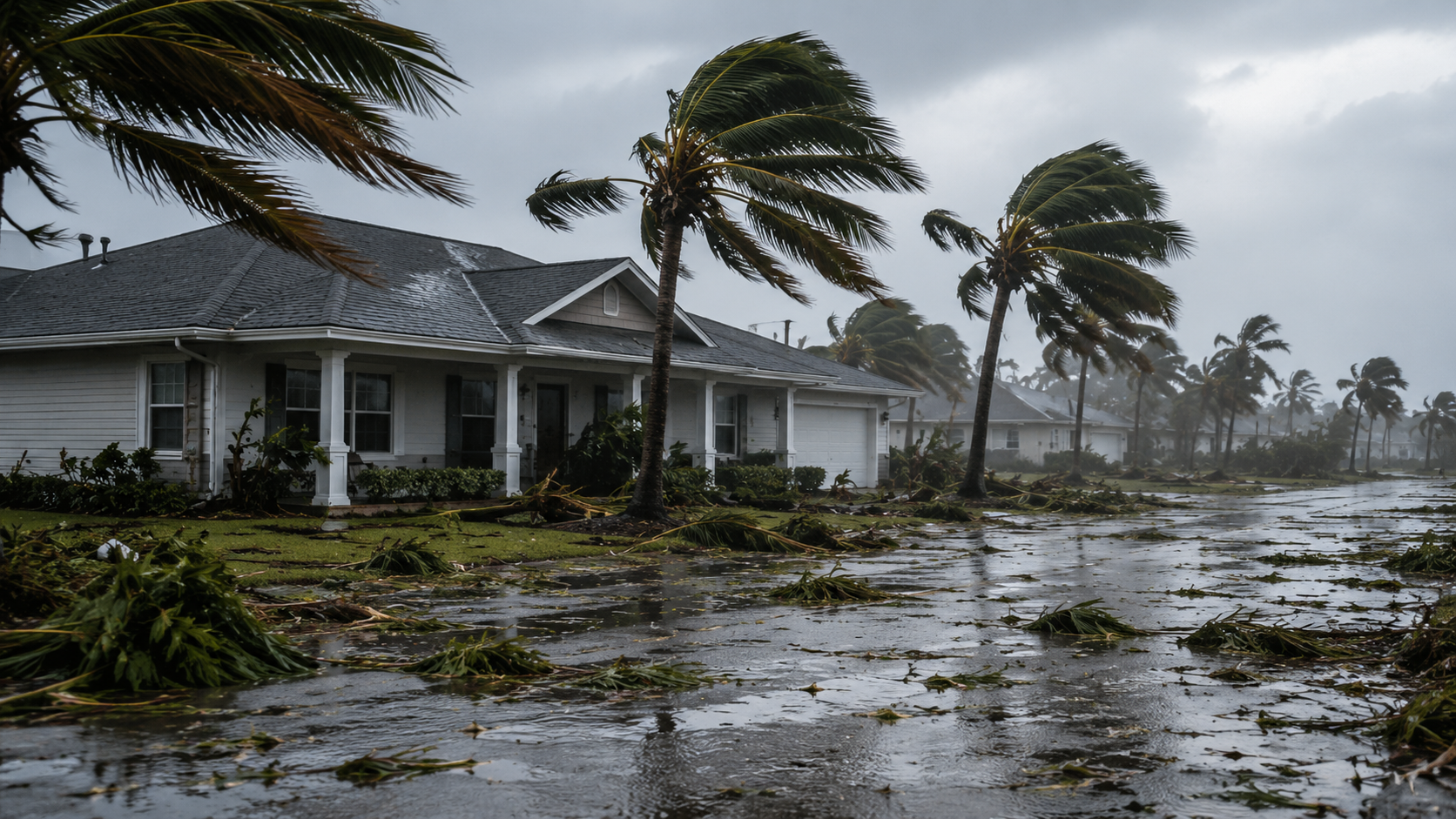
Storms, falling trees, hail, wind, and flying debris can damage a roof suddenly and expose a property to continuing rain and structural deterioration. This guide explains how to recognize an emergency, protect occupants, limit additional water damage, document the loss, and arrange safe temporary and permanent repairs.
First actions
Prioritize safety before inspection or cleanup
- Stay away from downed power lines, unstable trees, and structurally damaged areas.
- Do not climb onto a wet, punctured, steep, or displaced roof.
- Document the damage from a safe location before permanent repairs begin.
- Use reasonable temporary protection to limit further rain or water entry when safe.
- Call 911 for fire, a suspected gas leak, an electrical hazard, or an immediate threat to life.
Post-Storm Help
Need help after storm damage?
Review the next steps and find available resources to protect the property, limit secondary damage, and begin recovery.
When Roof Damage Becomes an Emergency
Roof damage becomes an emergency when it creates an immediate risk to people, the structure, electrical systems, or the interior of the property. Missing roofing materials, punctures, open decking, displaced flashing, broken skylights, fallen trees, active leaks, and sagging ceilings can allow conditions to worsen quickly.
Even a relatively small opening can allow significant water intrusion during prolonged rain. Water may spread beyond the visible leak into attic insulation, roof decking, wall cavities, ceiling materials, flooring, electrical fixtures, cabinets, and personal property.
Emergency roof response should focus on three priorities:
- Protect people from immediate hazards.
- Prevent additional water and weather exposure when safe.
- Document the condition before permanent repairs begin.
Common Causes of Emergency Roof Damage
High Winds
Strong winds can lift shingles, loosen fasteners, displace flashing, peel back membranes, damage roof edges, and remove complete sections of roofing. Wind pressure may also damage soffits, fascia, vents, ridge caps, and roof-to-wall connections.
Hail
Hail may bruise asphalt shingles, fracture tiles, dent metal roofing, damage skylights, and weaken materials without producing an immediate visible leak. Wind-driven hail can affect multiple roof slopes and exterior components.
Falling Trees and Branches
Tree impact can puncture the roof, break rafters or trusses, damage decking, collapse sections of the structure, and affect electrical service lines. Trees under tension or touching utility lines should only be handled by qualified professionals.
Hurricanes and Tropical Storms
Hurricanes and tropical storms combine wind, prolonged rain, debris impact, and pressure changes. A small roof opening may be exposed to repeated rain bands for many hours.
Tornadoes
Tornadoes may remove roof coverings, decking, framing, or entire roof sections. The remaining structure may be unstable even when it is still standing.
Lightning and Fire
Lightning may ignite roofing or attic materials, damage electrical systems, or create openings that allow water intrusion during the same storm.
Ice, Snow and Freeze Conditions
Heavy snow, ice accumulation, ice dams, freeze-thaw cycles, and frozen drainage systems can contribute to roof loading, leaks, displaced materials, and interior water damage.
Immediate Safety Steps
Do not begin cleanup or roof access until immediate hazards have been evaluated.
- Keep people and pets away from rooms with sagging, bulging, cracked, or wet ceilings.
- Avoid standing water near lights, outlets, appliances, electrical panels, and extension cords.
- Stay away from downed power lines and damaged electrical service equipment.
- Leave the property if you smell gas, hear hissing, or observe major structural movement.
- Do not stand below damaged roof sections, hanging branches, loose gutters, or unstable debris.
- Do not climb onto the roof during rain, lightning, strong winds, darkness, or icy conditions.
- Do not access a roof that appears punctured, sagging, partially collapsed, or structurally displaced.
- Use sturdy footwear, gloves, eye protection, and appropriate respiratory protection around debris and wet building materials.
Call 911 for fire, medical emergencies, suspected gas leaks, active electrical hazards, partial collapse, or immediate threats to life.
Warning Signs of Serious Roof Damage
Some conditions indicate that the property should not be entered or occupied until it has been evaluated.
- A visible hole or open section of roof.
- A tree, large branch, or heavy object resting on the structure.
- Roof framing that appears bent, displaced, or broken.
- A roofline that is sagging, uneven, or distorted.
- Interior ceilings that are bulging or holding water.
- Cracking or separation where walls meet ceilings.
- Doors and windows that suddenly no longer open or close correctly.
- Water entering electrical fixtures, wall switches, outlets, or the service panel.
- Unusual popping, cracking, shifting, or creaking sounds.
- Large quantities of insulation, decking, shingles, or framing inside the property.
These conditions may require emergency personnel, a structural engineer, a qualified roofer, an electrician, or another appropriate specialist.
What to Do About an Active Roof Leak
- Keep people away from the affected ceiling. Wet ceiling materials can collapse without warning.
- Identify electrical hazards. Do not touch wet fixtures, outlets, cords, or equipment.
- Place containers under minor drips only when safe.
- Move undamaged contents away from the affected area.
- Photograph the leak, ceiling, walls, flooring, and damaged contents.
- Contact a qualified emergency roof or restoration provider.
- Begin moisture evaluation and drying after the opening is controlled.
Do not puncture a bulging ceiling unless directed by a qualified professional who has evaluated the electrical and structural hazards. Releasing trapped water incorrectly may cause ceiling collapse, uncontrolled water discharge, or contact with energized components.
Can You Tarp a Damaged Roof Yourself?
Roof tarping is hazardous and should not be treated as a routine do-it-yourself project. Storm-damaged roofs may contain loose materials, hidden openings, weakened decking, exposed nails, unstable branches, and slippery surfaces.
Do not attempt roof tarping when:
- The roof is wet, icy, steep, or difficult to access.
- Rain, lightning, or strong winds are continuing.
- The roof is sagging, punctured, or partially collapsed.
- A tree or large branch is touching the structure.
- Electrical service lines are damaged or nearby.
- You do not have proper fall protection, equipment, training, and assistance.
- The damaged area cannot be reached without walking across compromised roofing.
A tarp that is installed incorrectly may detach, allow continued leakage, damage additional roofing materials, or create a hazard for occupants and neighboring properties.
What Professional Emergency Roof Tarping May Include
The exact method depends on the roof type, damage location, weather, structural condition, local requirements, and expected duration of the temporary repair.
A professional temporary-protection process may include:
- Ground-level and interior safety assessment.
- Evaluation of structural stability and access conditions.
- Identification of the damaged roof area and water-entry path.
- Removal or securing of limited loose debris when safe.
- Placement of a reinforced tarp or temporary membrane beyond the damaged area.
- Mechanical attachment or anchoring designed to resist wind.
- Protection of ridges, edges, penetrations, and drainage paths.
- Photographic documentation before and after the temporary work.
- Written identification of areas requiring permanent repair.
Temporary covering is not a substitute for permanent roof repair. It should be inspected after additional severe weather and maintained until permanent work is completed.
Emergency Board-Up and Opening Protection
Roof damage may occur with broken windows, failed doors, damaged skylights, wall openings, and displaced exterior panels. Temporary board-up or covering can help reduce rain entry, animal intrusion, unauthorized access, and additional deterioration.
Board-up work may be appropriate for:
- Broken windows and damaged frames.
- Failed exterior doors.
- Damaged garage doors.
- Broken skylights.
- Openings created by tree or debris impact.
- Missing sections of exterior wall or cladding.
Do not cover openings in a way that blocks emergency ventilation, traps gas, interferes with fire access, or conceals an unstable structural condition.
How to Protect the Interior
Interior protection should only be attempted in areas that are structurally and electrically safe.
- Move undamaged furniture and belongings away from the leak.
- Use waterproof coverings to protect items that cannot be moved.
- Place containers under minor drips.
- Do not stand beneath bulging or water-filled ceilings.
- Do not use household electrical equipment in wet areas unless the electrical system is confirmed safe.
- Separate wet and dry contents.
- Document damaged items before disposal.
- Arrange water extraction and drying promptly.
Water Damage Caused by a Roof Leak
Stopping the visible leak is only part of the recovery process. Water may travel along rafters, trusses, wiring, pipes, and framing before appearing inside the property. The visible ceiling stain may not be directly beneath the exterior opening.
Materials that may be affected include:
- Roof decking and framing.
- Attic insulation.
- Drywall and plaster.
- Electrical fixtures and wiring.
- Wall cavities.
- Flooring and subflooring.
- Cabinets and built-in components.
- Furniture, electronics, and personal property.
Moisture meters, thermal imaging, cavity inspection, and professional drying equipment may be needed to identify and dry concealed materials.
Roof Damage Documentation Checklist
Document the property before permanent repairs whenever it is safe to do so.
- Photograph every exterior elevation.
- Take ground-level photographs of the roof from multiple angles.
- Photograph missing materials, punctures, debris, trees, gutters, flashing, and roof edges.
- Photograph water entering the property.
- Record ceiling stains, wet insulation, damaged walls, flooring, and contents.
- Photograph hailstones or storm debris when relevant.
- Record the date and approximate time the damage occurred or was discovered.
- Save weather alerts and local emergency notices.
- Keep before-and-after photographs of temporary protection.
- Retain estimates, reports, invoices, receipts, and contractor communications.
- Maintain a written timeline of inspections, calls, temporary work, and repairs.
Contacting the Insurance Company
Report significant damage promptly and ask how the insurer wants emergency protection and documentation handled.
Ask for:
- The claim number.
- The assigned representative's contact information.
- Instructions for emergency roof covering and board-up.
- Requirements for photographs, videos, estimates, and invoices.
- Guidance on damaged materials that may need to be removed.
- Information about deductibles and applicable coverage.
- Instructions for temporary lodging when the property is unsafe.
Do not delay reasonable emergency measures that are necessary to prevent additional damage, but document the condition and work carefully.
Review the Storm Damage Insurance Claims Guide for a detailed claims workflow.
Temporary Repairs Versus Permanent Repairs
Temporary Repairs
Temporary repairs are intended to reduce immediate exposure and stabilize the property until the full scope of damage is understood.
Examples include:
- Roof tarping.
- Temporary membrane installation.
- Boarding windows and doors.
- Temporary flashing or covering.
- Limited debris removal.
- Emergency shoring or stabilization.
Permanent Repairs
Permanent repairs restore the roof system and affected components according to the appropriate materials, installation requirements, manufacturer specifications, building codes, and permit requirements.
Permanent work may involve:
- Replacing shingles, tile, metal panels, membranes, or other roof coverings.
- Repairing or replacing decking.
- Repairing rafters, trusses, and structural connections.
- Replacing flashing, vents, gutters, soffits, and fascia.
- Repairing skylights and roof penetrations.
- Restoring insulation, ceilings, walls, and interior finishes.
- Addressing electrical and mechanical damage.
How to Choose an Emergency Roofing Contractor
Storm events often attract both qualified contractors and high-pressure operators. Verify the company before authorizing work.
- Confirm licensing when required by the jurisdiction.
- Verify insurance coverage.
- Request a written scope of work.
- Confirm whether the work is temporary or permanent.
- Request written pricing or a clear method for determining price.
- Ask who will perform the work.
- Confirm how photographs and documentation will be provided.
- Ask about warranties for permanent repairs.
- Do not sign documents you do not understand.
- Do not provide unrestricted access to unverified individuals.
Emergency conditions may require fast decisions, but the contractor should still provide clear identification, documentation, and an understandable work authorization.
Common Emergency Roof Repair Mistakes
- Climbing onto a damaged roof without fall protection.
- Walking across weakened decking.
- Installing a tarp during lightning or strong winds.
- Covering only the visible hole without addressing the water path.
- Blocking roof drainage.
- Using unsecured materials that may become airborne.
- Ignoring attic and concealed moisture.
- Making permanent repairs before documenting the damage.
- Discarding damaged materials before photographing them.
- Delaying water extraction after the roof opening is controlled.
- Assuming a temporary tarp is a permanent solution.
Storm-Specific Roof Damage Resources
Frequently Asked Questions
Is a leaking roof an emergency?
A roof leak is an emergency when water is actively entering, ceilings are sagging, electrical components are wet, structural damage is present, or continued weather exposure may rapidly worsen the loss.
Should I climb onto the roof to install a tarp?
Do not climb onto a wet, steep, damaged, punctured, or unstable roof. Professional installation is appropriate when safe access, fall protection, anchoring, and structural evaluation are required.
What should I do if the ceiling is bulging with water?
Keep everyone away from the area and avoid electrical fixtures. A water-filled ceiling can collapse. Contact qualified emergency assistance rather than standing beneath or puncturing it without evaluation.
How long can a temporary roof tarp remain in place?
A tarp is a temporary measure. Its useful duration depends on material, installation, wind exposure, weather, roof condition, and maintenance. Permanent repair should be arranged as soon as practical.
Will insurance pay for emergency roof tarping?
Coverage varies by policy and cause of loss. Document the damage and temporary work, retain invoices, and ask the insurer how emergency mitigation is handled.
Should I make permanent repairs before the insurance inspection?
Emergency measures may be necessary to prevent additional damage, but document the original condition and avoid unnecessary permanent work until the claim requirements are understood.
Can a roof leak cause mold?
Wet insulation, drywall, wood, and other materials can support microbial growth when moisture remains. Drying should begin promptly after the water source is controlled.
Can water travel far from the roof opening?
Yes. Water can move along framing, wiring, pipes, insulation, and other materials before becoming visible inside.
What photographs should I take?
Photograph the exterior, roof from safe ground-level angles, damaged materials, debris, water entry, interior staining, wet contents, and all temporary repairs.
When should a structural engineer inspect the property?
An engineer or other qualified structural professional may be appropriate when the roofline is distorted, walls or framing have shifted, a tree struck the structure, trusses are damaged, or the stability of the building is uncertain.
Act Safely
Do not wait while the property remains exposed.
Roof openings, active water, unstable trees, and electrical hazards can worsen quickly. Prioritize safety and temporary protection.
Luxesur is an informational website and may connect visitors with independent third-party providers. We are not a restoration contractor, roofing contractor, engineering firm, insurance adjuster, or emergency service. Availability varies by location. Call 911 for an immediate danger.