Luxesur National Guide
Water DamageAir Mover Placement Guide
Air movers help increase airflow across wet materials and are frequently used during structural drying projects.
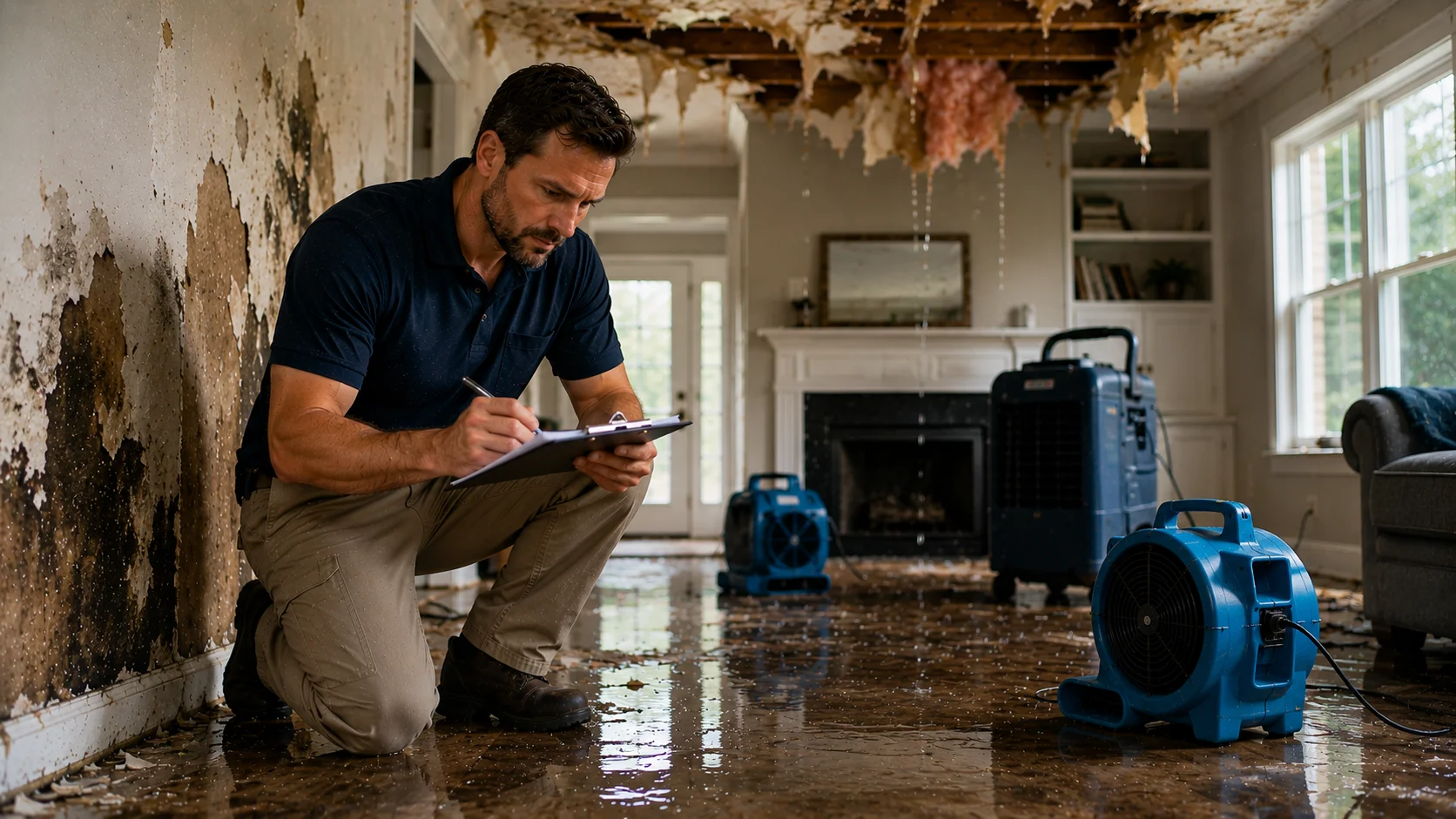
First actions
Prioritize safety before inspection or cleanup
- Keep people away from sagging or water-filled ceilings.
- Avoid water near outlets, lights, and electrical panels.
- Stop the water source only when it can be done safely.
- Document affected areas before moving or discarding materials.
- Begin extraction and drying after immediate hazards are controlled.
Help Available
Need help after water damage?
Review the next steps and connect with restoration resources available by location.
What Air Movers Do
Air movers increase air circulation and can help support evaporation from wet surfaces.
Common Placement Considerations
- Room layout
- Wet material locations
- Airflow direction
- Equipment spacing
Supporting Evaporation
Improved airflow can help move moisture away from wet surfaces.
Working With Dehumidifiers
Air movers and dehumidifiers are often used together during drying projects.
Related Guides
Final Thoughts
Proper airflow is an important part of many drying strategies after water damage.
Airflow Principles
Air movers help create circulation across wet materials and support evaporation during the drying process.
Common Placement Goals
- Improve airflow across wet surfaces
- Reduce stagnant air pockets
- Support evaporation
- Assist overall drying strategy
Room Layout Considerations
Furniture, walls, hallways, cabinets, and room size may influence airflow effectiveness.
Working With Other Equipment
Air movers are often used together with dehumidifiers and monitoring equipment during drying projects.
Frequently Asked Questions
Can too many air movers be used?
Equipment placement should be based on room conditions and drying objectives.
Do air movers remove moisture?
They improve airflow. Dehumidifiers help remove moisture from the air.
Why is airflow important?
Air movement can help support evaporation from wet building materials.
Next Step
Do not wait if water damage is active.
Water can spread behind walls, floors, and cabinets. Fast response helps limit secondary damage.
Luxesur is an informational website and may connect visitors with independent third-party providers. We are not a restoration contractor, roofing contractor, engineering firm, insurance adjuster, or emergency service. Availability varies by location. Call 911 for an immediate danger.