Luxesur National Guide
MoldFlorida Mold After Hurricane Damage
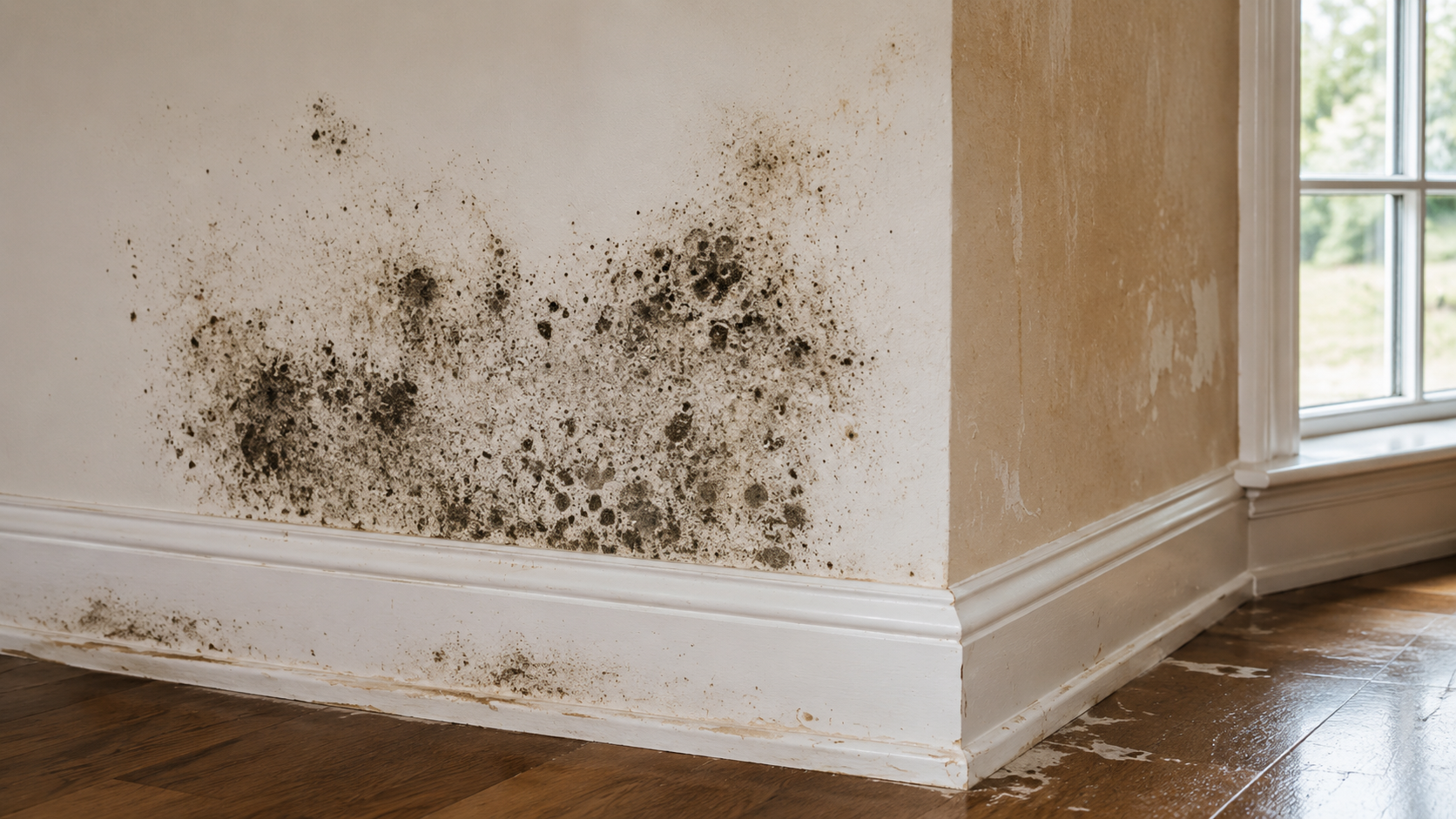
Mold becomes a major concern after Florida hurricanes because storm damage often combines moisture, humidity, leaks, flooding, and poor ventilation.
First actions
Prioritize safety before inspection or cleanup
- Keep people away from sagging or water-filled ceilings.
- Avoid water near outlets, lights, and electrical panels.
- Stop the water source only when it can be done safely.
- Document affected areas before moving or discarding materials.
- Begin extraction and drying after immediate hazards are controlled.
Help Available
Need help after water damage?
Review the next steps and connect with restoration resources available by location.
Why mold risk rises after hurricanes
Hurricanes can leave moisture inside drywall, flooring, cabinets, insulation, and attic spaces. Power outages can also reduce air conditioning and dehumidification, allowing indoor humidity to rise.
The 24–48 hour moisture window
EPA guidance explains that drying wet or damp materials within 24–48 hours after a leak or spill usually helps prevent mold growth. In Florida, that window matters because humidity can slow drying.
Where hidden mold concerns can start
Common problem areas include baseboards, behind cabinets, under flooring, inside wall cavities, around roof leaks, near HVAC systems, and inside rooms that stayed closed after a storm.
Next Step
Do not wait if water damage is active.
Water can spread behind walls, floors, and cabinets. Fast response helps limit secondary damage.
Luxesur is an informational website and may connect visitors with independent third-party providers. We are not a restoration contractor, roofing contractor, engineering firm, insurance adjuster, or emergency service. Availability varies by location. Call 911 for an immediate danger.